

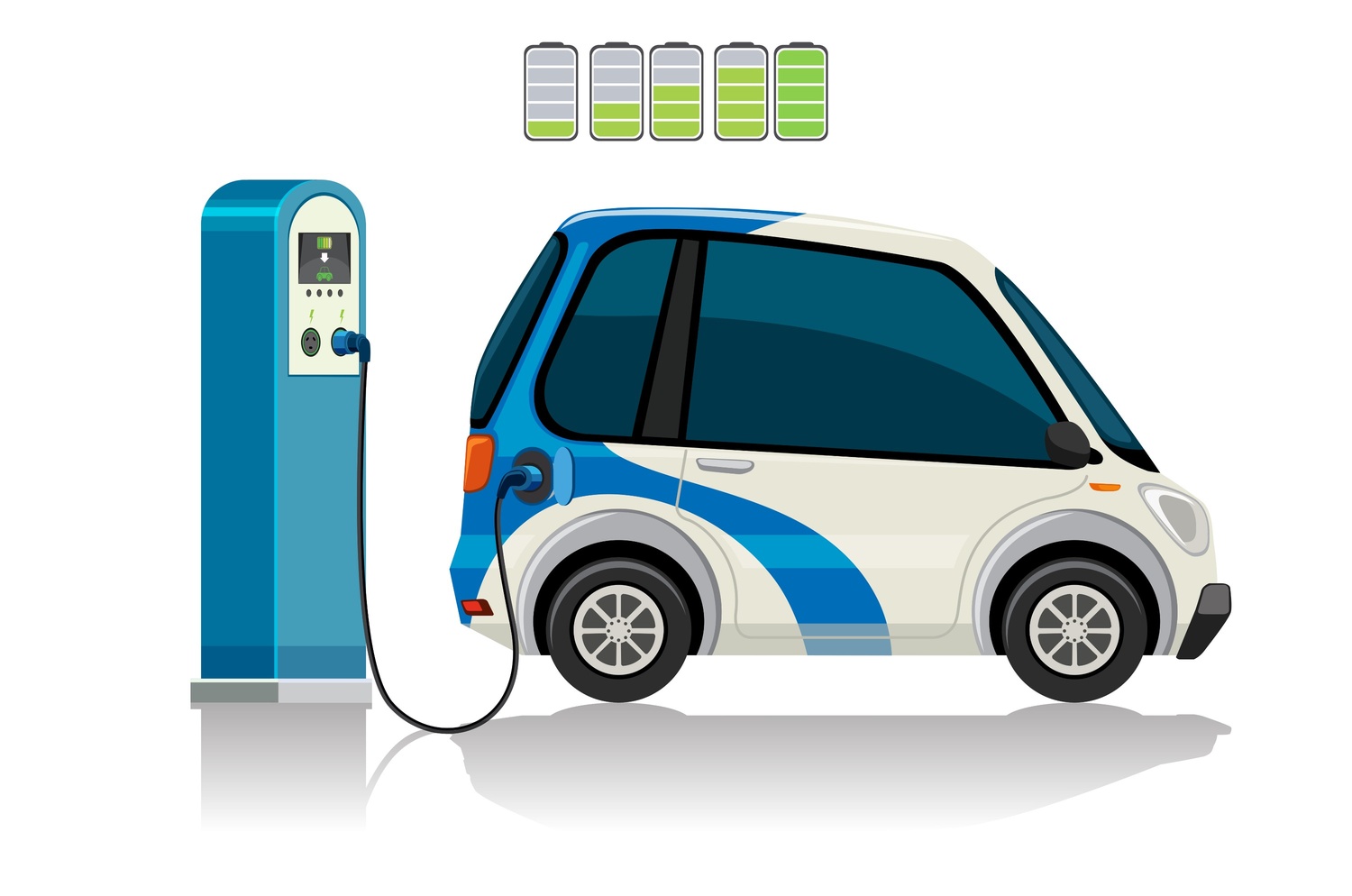
As electric vehicles (EVs) become
increasingly popular, one term you’ll often hear among EV owners and
enthusiasts is the “80% rule.” This rule is crucial for maximizing
battery life and maintaining optimal performance. In this blog, we’ll explore
the 80% rule, its benefits, how it affects your daily charging habits, and
common misconceptions about charging EVs.
What Is the 80% Rule for EV
Charging?
The 80% rule refers to a
recommended practice of charging your EV battery up to 80% of its total
capacity, rather than topping it off to 100% every time. This
recommendation is based on the behavior of lithium-ion batteries, which power
nearly all modern electric vehicles.
Lithium-ion batteries degrade
faster when they are regularly charged to full capacity (100%) or
allowed to drop to very low levels (below 20%). By charging up to around 80%,
you reduce stress on the battery’s chemical structure, minimize long-term
capacity loss, and increase the overall lifespan of your EV battery. In short,
the 80% rule is a balance between range and battery health. It allows
you to get enough driving range for everyday use while preserving the battery
over many years.
The 80/20 Rule for EV Charging
Sometimes, the 80% rule is also
referred to as the 80/20 rule for EVs. This means you should try to keep
your battery level between 20% and 80% for routine charging.
Why 20% Matters
While charging to 80% reduces
high-voltage stress, avoiding deep discharges below 20% is equally important.
Lithium-ion batteries experience more wear when they are fully depleted,
which can cause faster degradation and reduced efficiency. By following the
20–80% guideline, EV owners strike an optimal balance that preserves the battery’s
health, charging speed, and performance.
Why EVs Stop Charging at 80%
Many EVs intentionally slow
down charging or stop at around 80% when using fast chargers. This is not a
defect—it’s a battery management strategy.
Battery Chemistry Limitations:
Lithium-ion batteries charge rapidly until they reach about 80%. Beyond this
point, the chemical reactions in the battery slow down, making charging less
efficient.
Heat Management: Charging
generates heat, and charging from 80% to 100% produces more heat per kWh added.
Excess heat can degrade the battery faster.
Longevity Considerations:
Manufacturers often program the battery management system (BMS) to reduce the
rate of charging near full capacity to extend battery life.
Many EV manufacturers allow you
to override this limit for long trips, but daily charging up to 100% is
generally discouraged.
Should You Charge Your EV to
80% Every Day?
For daily use, charging to 80%
is highly recommended, especially if your daily driving distance is well
within the range provided by this charge level.
Benefits of Daily 80% Charging
Charging to 80% slows battery
degradation because there is less stress on battery cells. It also makes
charging sessions faster since it takes less time to reach 80% than 100%.
Reduced heat generation during charging further protects the battery.
When You Might Charge to 100%
Charging to 100% is useful on
long road trips if you need maximum range for a journey. It may also be
necessary if your daily commute is close to your battery’s full capacity.
For most EV drivers, charging
to 80% daily is the sweet spot, balancing convenience and battery
longevity.
Should I Charge My EV to 100%
Every Night?
Charging to 100% every night is
generally not recommended unless necessary. Regular full charges put extra
stress on the battery and accelerate degradation over time.
Potential downsides of nightly
100% charging include reduced battery lifespan due to constantly keeping the
battery at full voltage, slower charging times because the final 20% charges
more slowly, and heat-related degradation from prolonged exposure to high
voltage and heat.
If you live far from charging
stations and rely on full range, it’s okay to charge to 100% occasionally. But
for most EV users with shorter daily commutes, 80% is optimal.
What Drains an EV Battery the
Most?
Understanding what drains an EV
battery helps you optimize charging habits. Frequent use of high-current DC
fast charging generates heat, which accelerates battery wear. Extreme
temperatures, both very hot and very cold, reduce battery efficiency and can
temporarily lower driving range. Heavy acceleration or sustained high-speed
driving consumes more energy. Using air conditioning or heating extensively can
drain the battery faster. Carrying heavy cargo or towing also reduces range.
By managing these factors, you
can reduce stress on your battery and extend its useful life.
Practical Charging Tips for EV
Owners
Stick to the 20–80% range for
routine charging to preserve battery health. Use fast chargers sparingly,
mainly for long trips. Precondition your EV before driving by warming or
cooling the cabin while plugged in, which saves battery energy. Avoid deep discharges
below 20%. Monitor battery temperature as extreme conditions can reduce range
and efficiency. For long trips, occasionally charging to 100% is acceptable
when needed.
Summary: Why the 80% Rule
Matters
The 80% rule for EVs is a
simple yet powerful guideline that helps protect your vehicle’s battery while
providing sufficient daily range. By keeping your battery between 20% and
80%, you reduce stress on the cells, maintain efficient charging, and
extend your battery’s lifespan.
Daily charging to 80% is ideal
for most users. The 20–80% window minimizes battery degradation. Full 100%
charges are reserved for long trips or exceptional needs. Factors like fast
charging, extreme temperatures, and high speeds influence battery drain.
Following the 80% rule doesn’t just prolong your EV battery—it also makes your daily charging simpler, faster, and more energy-efficient. EV technology is still evolving, but adopting smart charging habits today ensures your investment lasts for years. So next time you plug in your EV, remember: 80% is plenty for daily driving and keeps your battery happy!
Referenced Link
[1] http://mdpi.com/1996-1073/18/2/342
[2]https://www.bppulse.com/en-gb/going-electric/ultrafast-ev-charging-and-impact-on-your-battery
[4] https://qmerit.com/blog/maintaining-battery-health-with-ev-charging-best-practices/