

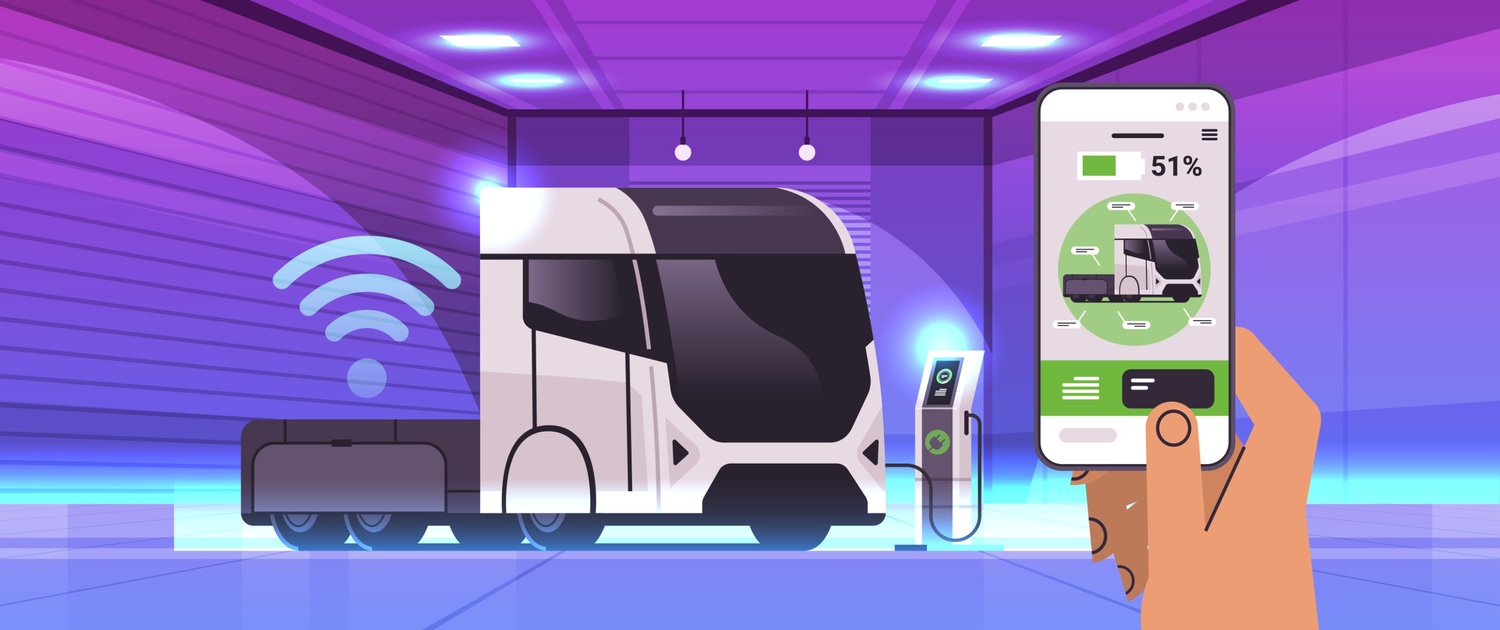
The landscape of modern transportation is undergoing a
seismic shift. As the world pivots toward electric mobility, the focus has
moved beyond the vehicles themselves to the infrastructure that powers them.
One of the most debated topics in the industry is the future of the charging
interface. Currently, the charging plug is the universal standard—a reliable,
physical link between the grid and the battery. However, the rise of wireless
charging technology has sparked a compelling question: By 2030, will the
charging plug become a relic of the past?
To understand this transition, we must look at the
convergence of automation, industrial efficiency, and the global push for a
"cleaner and connected future". The goal of modern mobility is not
just to replace petrol with electricity, but to create "smarter, cleaner,
and connected transportation" that integrates seamlessly into our lives
and businesses.
The Current Reign of the Charging Plug
For the better part of a decade, the charging plug has been
the undisputed king of the EV world. It is a technology defined by its
simplicity and directness. When you plug in a vehicle, you are establishing a
high-conductivity physical connection that allows for the rapid transfer of
energy. For heavy-duty applications, such as those used in "warehousing,
railways, and agriculture," a physical connection ensures that the maximum
amount of power is delivered in the shortest possible time.
The current standard is built on "quality, reliability,
and sustainability". Users of electric utility vehicles often report that
"battery life is solid" and "maintenance is minimal" with
current plug-in systems. In many industrial sites, the plug is seen as a
"dependable" tool that aligns with the "evolving needs of
customers". It works in the rain, it works in the heat, and it provides a
"reliable service you can trust".
However, despite its reliability, the plug has inherent
limitations. It requires human intervention. It involves moving parts that are
subject to wear and tear over "7+ years of experience" in rugged
environments. It creates a physical tether that can be a bottleneck in the
quest for total automation.
The Mechanism of Wireless Charging
Information regarding the technical mechanics of wireless
charging is from outside the sources and should be independently verified.
Wireless charging for vehicles, often referred to as
inductive charging, operates on the principle of electromagnetic induction. A
transmitter coil is placed in a "charging pad" on the ground, and a
receiver coil is integrated into the underbody of the vehicle. When the two
coils align, a magnetic field is created, transferring energy across the air
gap to charge the battery.
This technology eliminates the need for cables, handles, and
physical sockets. From a design perspective, it moves the industry toward
"smart" mobility—where the act of refuelling becomes invisible.
Instead of a driver having to manually "plug in" a loader or a
transport vehicle, the charging process begins the moment the vehicle is parked
over a pad.
Why 2030 is the Critical Benchmark
The year 2030 is not an arbitrary date. It represents a
decade of intense "continuous improvement" and "responsible
manufacturing" across the global tech sector. By 2030, several factors are
expected to reach a tipping point:
- The
Rise of Autonomous Fleets: As industries move toward
"smarter" operations, the human element of charging becomes a
liability. For an autonomous "in-campus" vehicle to function
without a driver, it must be able to refuel itself. Wireless charging is
the most logical solution for a self-driving future.
- Urban
Integration: The vision of a "connected future" involves
embedding charging infrastructure into the very fabric of our cities.
Imagine taxis charging at a stand while waiting for passengers, or buses
receiving a "top-up" at every stop. This "opportunity
charging" could significantly reduce the size of the batteries
needed, making vehicles lighter and more "efficient".
- Durability
in Harsh Environments: Physical plugs are vulnerable to the elements.
In sectors like "coir pith processing" or heavy "brick
loading," dust, debris, and moisture can compromise a physical
charging port. Wireless systems are completely sealed, using "durable
materials" that can withstand "rigorous quality checks" in
the field. This aligns with the need for "eco-friendly, durable, and
efficient performance" in every industrial application.
The Case for Obsolescence: A Cordless World
If the charging plug does become obsolete by 2030, it will
be because wireless technology has solved the "time and labour"
issues currently facing logistics and transport.
Safety and Convenience A "client-centric
focus" often leads to innovations that simplify the user experience.
Wireless charging is inherently safer in wet or hazardous environments because
there is no exposed electrical contact. For "student-friendly, eco-conscious
campuses," removing cables from the ground reduces trip hazards and
creates a cleaner aesthetic.
Maintenance Reduction One of the key drivers for
businesses is "cost-effective" operations. While current plug-in
systems are reliable, the cables themselves are often the first point of
failure. They get dropped, driven over, or worn out. A wireless pad, buried under
concrete or protected by a rugged housing, requires almost zero maintenance,
helping businesses "make informed decisions to support growth and
success".
Operational Efficiency In a "warehousing"
or "logistics" setting, every minute a vehicle spends being manually
plugged and unplugged is a minute of lost productivity. Wireless charging
allows for "invisible" charging during natural pauses in the workflow—such
as during loading or unloading—ensuring that the fleet is always at optimal
power.
The Challenges: Why the Plug Might Survive
Despite the momentum, it is unlikely that the charging plug
will disappear entirely by 2030. Several hurdles remain that require
"expert advice" and significant R&D to overcome.
Efficiency and Heat Information from outside the
sources indicates that current wireless charging systems are generally 5% to
10% less efficient than a direct cable connection. Energy is lost as heat
during the magnetic transfer. For industries focused on "high-performance"
and "efficiency," this loss represents a cost that must be weighed
against the convenience of wireless tech.
Infrastructure Costs Building a "connected
transportation" network requires massive capital investment. It is
significantly cheaper to install a wall-mounted plug than to dig up a floor to
install an inductive pad. For "commercial enterprises," the "long-term
value" of wireless must be clear before they abandon the reliable, cheaper
alternative of the plug.
Standardization For wireless charging to make the
plug obsolete, there must be a universal standard. Currently, different
manufacturers are experimenting with different frequencies and alignment
technologies. Until a "custom electric vehicle manufacturer" can
guarantee that their vehicle will charge on any pad, the plug remains the only
"dependable" universal option.
Industrial vs. Commercial Adoption
The timeline for obsolescence will likely vary by sector. In
"closed-loop" environments—such as a specific factory, a
"railway" workshop, or an "institution"—wireless charging
is poised to dominate much sooner. In these settings, the company controls both
the vehicle and the infrastructure, allowing for
"application-specific" customization.
For example, an "in-campus electric loader" used
for internal transport could easily transition to a wireless system by 2030.
The "compact, efficient, and silent" nature of these vehicles makes
them perfect candidates for a wireless ecosystem. Conversely, for "on-road
registration" vehicles that travel across different regions, the charging
plug will likely remain a necessary backup until a national wireless grid is
established.
The Path Forward: A Hybrid Reality
As we move toward the 2030 milestone, the industry is likely
to see a "hybrid" approach. The charging plug will not vanish
overnight; rather, it will move from being the only option to being the
secondary option.
The focus of the industry remains on "accuracy and
attention to detail". This means that for some applications, the
"powerful performance" of a high-speed plug-in charger will still be
the best fit. For others, the "smart" integration of wireless pads
will be the key to "smarter, cleaner, and connected" operations.
Conclusion
Will wireless charging make the charging plug obsolete by
2030? While the plug may still exist as a legacy or backup system, the dominance
of the physical cable is certainly under threat. The shift toward
"sustainable vehicles" and "smarter" industrial
applications is driving a move toward "effortless" power. As
businesses look to "exceed expectations every step of the way," the
demand for seamless, cable-free integration will only grow.
The goal of the next decade is to "create long-term
value" and contribute to a world where transportation is as invisible as
it is efficient. Whether it is in "warehousing,"
"agriculture," or "commercial use," the transition to
wireless represents the next stage of "continuous improvement" in the
EV sector.
At Taark Electric Vehicles & Equipments Pvt. Ltd.,
we are at the forefront of this evolution. As a leading manufacturer with
"strong in-house R&D," we are dedicated to "designing and
producing eco-friendly, high-performance, and cost-effective electric
vehicles". We recognize the transformative potential of these
technologies, and we are R&D on that to ensure our clients always
have access to the most "innovative electric mobility and utility
solutions" available.
Referenced Link